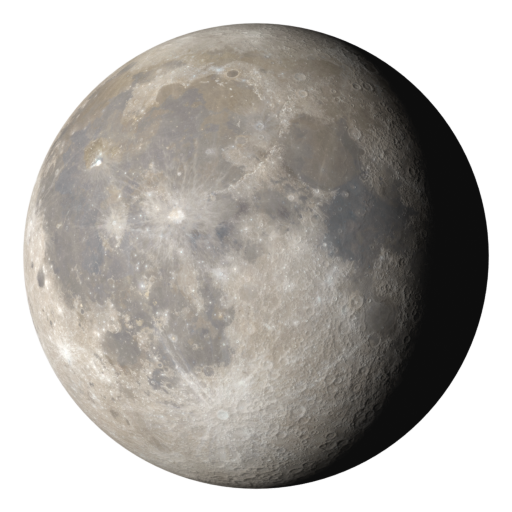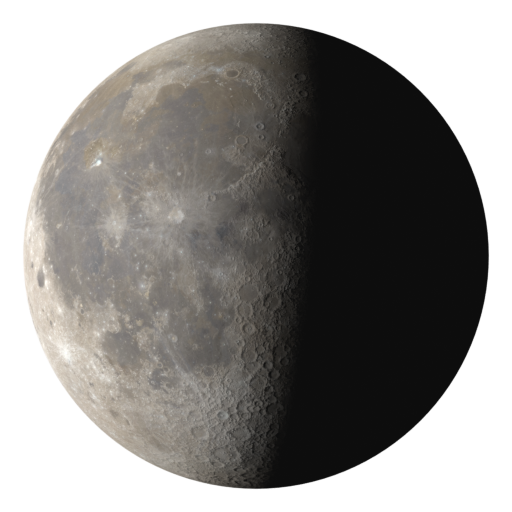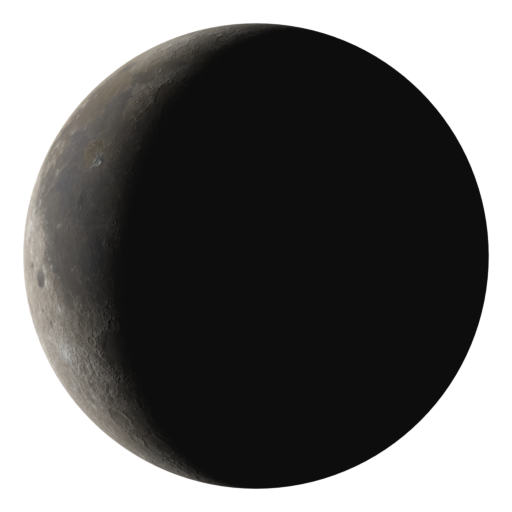
Energy & Quality
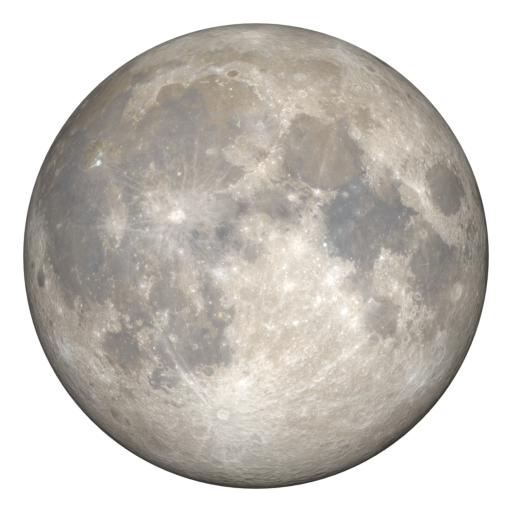
The Full Moon is the bright, obvious part of the cycle. Things feel louder
here: feelings, chemistry, social energy, even your own awareness of what's
working and what isn't. It's excellent for noticing results, celebrating
progress, and having the conversation that's finally ready to happen. The catch
is that everything is turned up, so delight and drama share a wall.
What to Focus On
Finish something, celebrate something, host the dinner, say the thing, take
the photo, enjoy the pretty night. Full Moon energy is good for visibility,
gratitude, honest check-ins, and plans that deserve a little theater.
What to Avoid
Starting brand-new commitments just because the mood is intense, picking fights
for sport, overbooking yourself, or treating every strong feeling like an
emergency.
Emotional Themes
Heightened feeling, social brightness, clarity, relief, restlessness,
celebration, truth getting harder to dodge, and the strange urge to either
toast the moment or disappear for a while.
Atmosphere
A Full Moon does not need a huge ritual to feel special. Open the curtains. Put on something that feels a little more dramatic than usual. Use the glassware you save for guests. Take a slow walk after dark or invite one or two people over instead of five. This phase tends to magnify mood, so simple choices help: fewer tabs open, fewer plans stacked on each other, a little more beauty than usual. A little ceremony goes far here. Let an ordinary night feel briefly cinematic.
What's Happening Astronomically
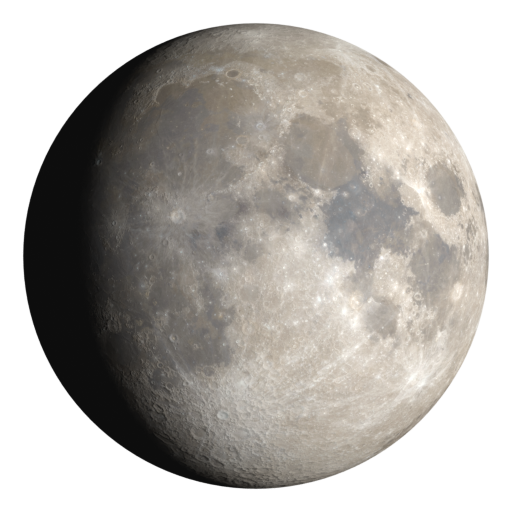
The Full Moon occurs when Earth positions itself directly between the Sun and Moon, with all three bodies in near-perfect alignment called syzygy. The Moon's Earth-facing hemisphere receives complete illumination, showing 100% of its visible surface lit. The Moon rises at sunset and sets at sunrise, remaining visible throughout the entire night. This opposition geometry places the Moon approximately 384,400 kilometers from Earth, though distance varies with each orbit. The Full Moon appears largest when coinciding with perigee—the closest orbital approach—creating what's popularly called a supermoon. This phase lasts only a moment astronomically, though the Moon appears full for about three days to casual observers.
Cultural Traditions
The Full Moon has anchored human calendars for millennia. Ancient Romans celebrated the Ides of each month at the full moon with festivals honoring Jupiter. The Jewish Passover and Christian Easter are calculated from the spring full moon, continuing ancient Mesopotamian lunar calendar traditions. Buddhist communities across Asia observe Vesak, commemorating Buddha's birth, enlightenment, and death at the full moon of May. Indigenous Australian Aboriginal peoples conducted corroborees—ceremonial gatherings with song and dance—during full moons when extended light permitted safe travel between distant communities. The Hindu festival of Holi and the Thai Loy Krathong both center on full moon celebrations, reflecting this phase's universal cultural significance.
Gardening & Farming Lore
Lunar gardening tradition holds that the Full Moon marks a transition point when gravitational pull is strongest, creating maximum moisture in soil and plant tissues. Traditional farmers avoid planting during the full moon itself, instead focusing on harvesting root vegetables and medicinal herbs, believed to be at peak potency. This phase is considered ideal for harvesting fruits intended for immediate consumption rather than storage. Biodynamic calendars recommend applying pest controls during the full moon when insects are most active and vulnerable.