Energy & Quality
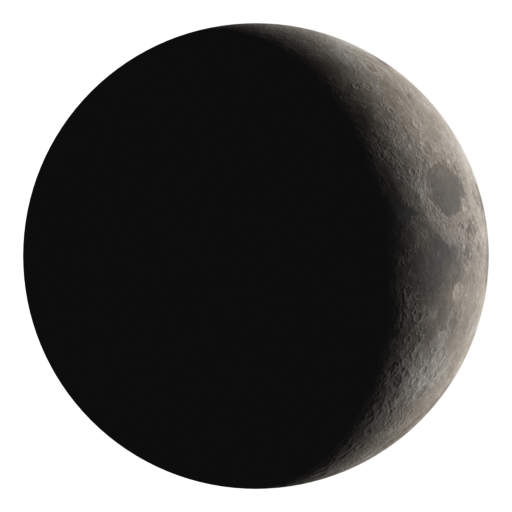
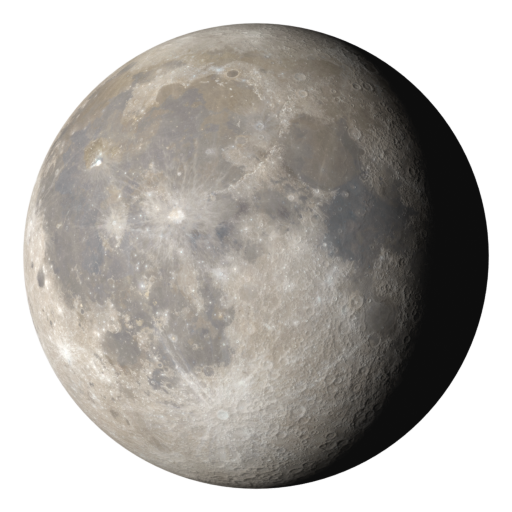
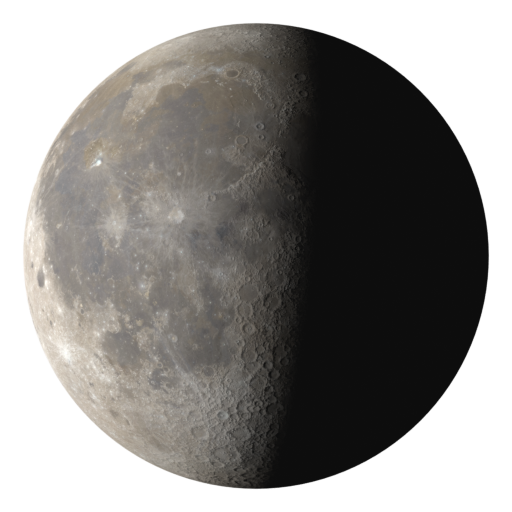
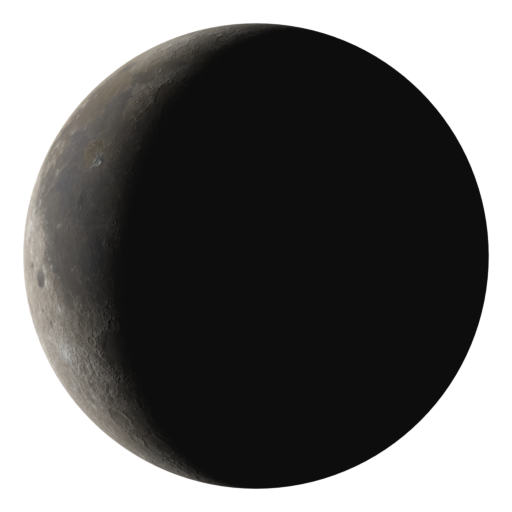
The New Moon marks the beginning of the lunar cycle when the Moon rests in darkness, invisible to the eye. This is a moment of pure potential and quiet reset. Like rich soil before planting, the energy holds everything that might bloom. This is a time for dreaming your desires into being and turning inward to discover what excites you to create. The darkness is not emptiness—it is fullness waiting to unfold.
What to Focus On
Set clear intentions for what you want to cultivate, begin creative projects that excite you, explore new possibilities through journaling, meditate on your desires, plant literal or symbolic seeds, make quiet wishes under the dark sky
What to Avoid
Making high-stakes decisions without complete information, launching major announcements before preparation is complete, forcing visibility when privacy serves you better, rushing into action without clarity
Emotional Themes
Curiosity, openness to possibility, quiet excitement, inner focus, restful anticipation, dreaming forward, fertile uncertainty, trust in unseen potential
Atmosphere
A New Moon night does not have to look like a grand reset. Keep it low-lit and simple: a clean table, one candle, your phone in another room for ten minutes. Write one sentence about what you want more of, then stop before it turns into a plan. This phase is better at beginning the mood than forcing the outcome. Think fresh sheets, a smaller to-do list, a meal that feels easy, and enough quiet to hear what actually sounds interesting next.
What's Happening Astronomically
The New Moon occurs when the Moon sits between Earth and the Sun, with its illuminated side facing away from us. From our perspective, the Moon is completely dark and invisible in the sky, rising and setting with the Sun. This alignment, called syzygy, means the Moon crosses the sky during daylight hours when we cannot see it. The lunar cycle begins here at 0% illumination, marking the astronomical reset point before the Moon begins its waxing journey toward fullness.
Cultural Traditions
Ancient Babylonians began their months at the New Moon, a practice inherited by Jewish and Islamic lunar calendars where Rosh Chodesh and the start of Ramadan are determined by the first crescent sighting. Chinese New Year follows the second New Moon after winter solstice, launching weeks of celebration. Many indigenous peoples, including the Maori and various Native American tribes, considered this a sacred time for prayer, fasting, and setting intentions for the month ahead. Hindu Amavasya is observed with ancestor rituals and temple offerings, while ancient Romans avoided major decisions during this dark phase, viewing it as inauspicious for new ventures.
Gardening & Farming Lore
Traditional lunar gardening treats the New Moon as a resting period when the Earth exhales and sap flows downward into roots. Biodynamic farmers often avoid planting during the three days surrounding the New Moon, using this time instead for weeding, turning compost, and soil preparation. Some traditions recommend planting quick-growing annuals and leafy greens in the final day before the crescent appears, believing seeds germinate vigorously as lunar light returns.