Energy & Quality
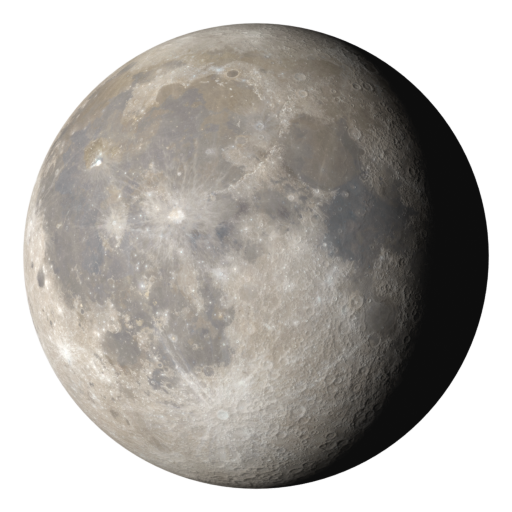
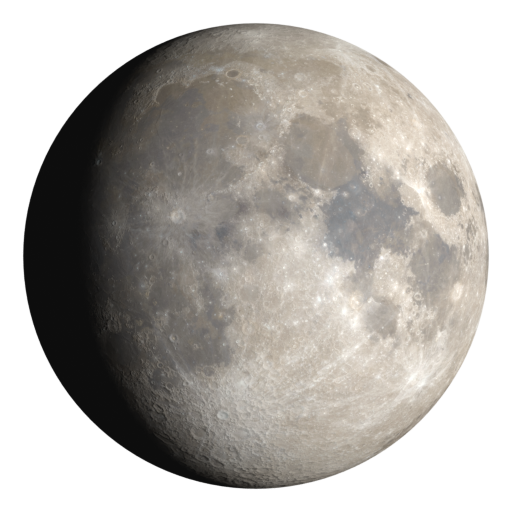
The Waxing Gibbous Moon has strong almost-there energy. You can see the finish
line now, which is helpful and a little agitating. This phase is less about
inspiration and more about adjustment: tighten the draft, clean the kitchen
before guests arrive, send the second pass instead of talking about the big
vision again. Confidence grows here, but so can perfectionism. The useful
version of this mood is simple: notice what still needs care, give it care,
then let the thing become real.
What to Focus On
Review what is already underway and make the edits that actually improve it,
close loose loops, prep logistics for the reveal, and choose one or two
finishing moves instead of ten decorative ones. This phase is good for
rehearsal, fact-checking, quality control, and the kind of practical polish
that makes the final version feel easy.
What to Avoid
Starting entirely new projects because the last ten percent feels boring,
endless tweaking that delays the finish, dramatic pivots made out of nerves, or
confusing perfectionism with excellence.
Emotional Themes
Rising confidence, productive restlessness, sharpened standards, satisfaction
mixed with impatience, the urge to get it right, and that nearly-there feeling
that makes you clean one more corner.
What's Happening Astronomically
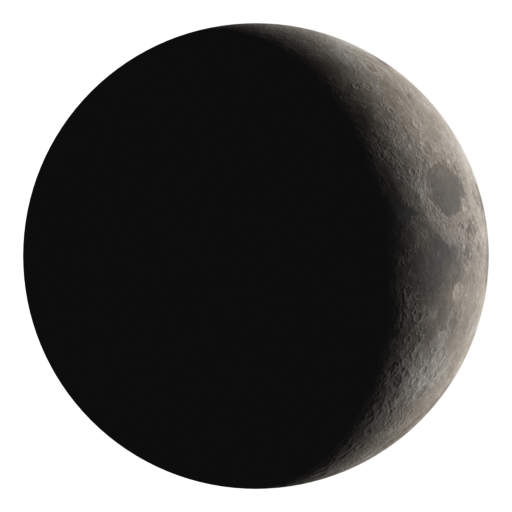
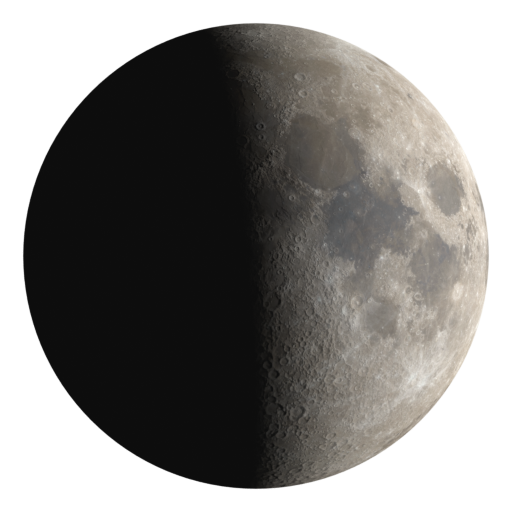
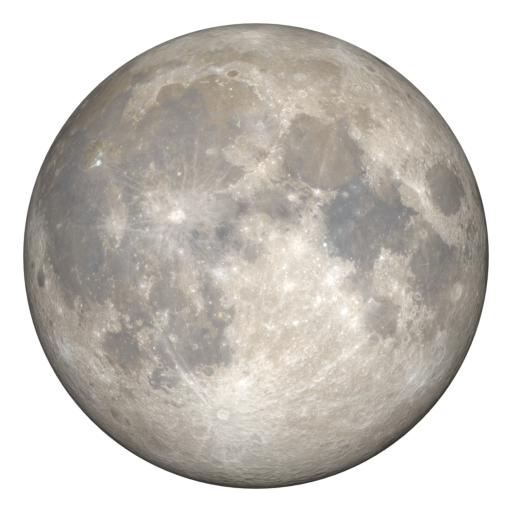
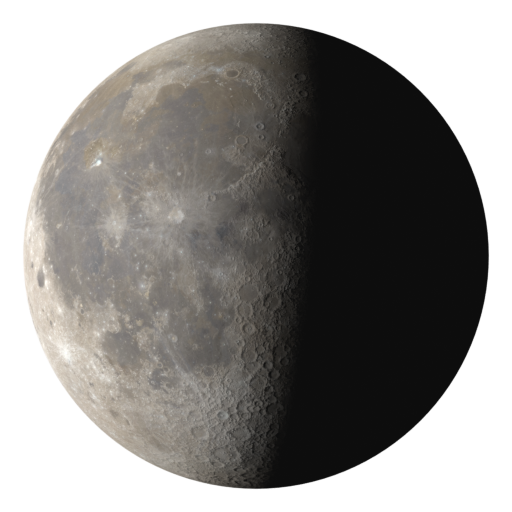
During the Waxing Gibbous phase, the Moon is positioned between first quarter and full, with 50–99% of its visible surface illuminated by sunlight. The Moon has traveled roughly three-quarters of the way through its orbit from new moon, and the terminator line—the boundary between light and shadow—continues moving westward across the lunar surface. The Moon rises in the afternoon and remains visible well into the night, setting in the early morning hours. This phase lasts approximately one week as the Moon approaches its opposition point directly opposite the Sun from Earth's perspective.
Cultural Traditions
In ancient Mesopotamia, the Waxing Gibbous marked a time of final preparations before major temple ceremonies at the full moon. Traditional Chinese culture associated this phase with completing tasks and refining plans before the Mid-Autumn Festival celebrations. Many indigenous North American tribes, including the Ojibwe, used this bright moonlight for extended evening activities like fishing and gathering. Celtic communities historically held preparatory rituals during this phase, ensuring homes and livestock were ready for the full moon's peak energy. Japanese farmers traditionally completed rice field inspections under this bright moon before harvest decisions.
Gardening & Farming Lore
Traditional lunar gardening calendars recommend the Waxing Gibbous for transplanting seedlings and continued planting of above-ground crops, as rising sap and moisture favor leaf development. This phase is considered ideal for applying organic fertilizers and compost, allowing nutrients to be drawn upward into plant tissues. Biodynamic practitioners often schedule the final weeding and cultivation before full moon. Avoid major pruning during this phase, as plants are at peak moisture content and may bleed excessively.