Energy & Quality
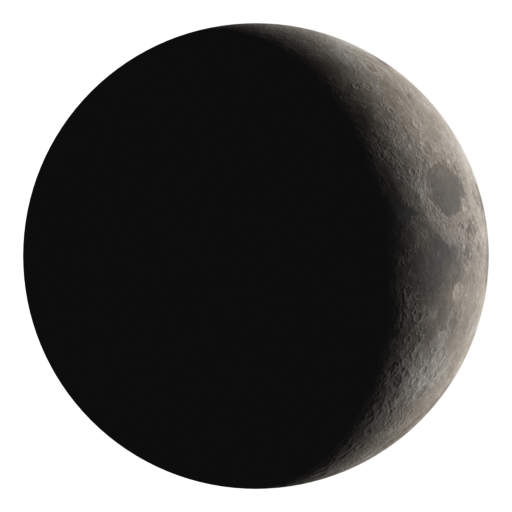
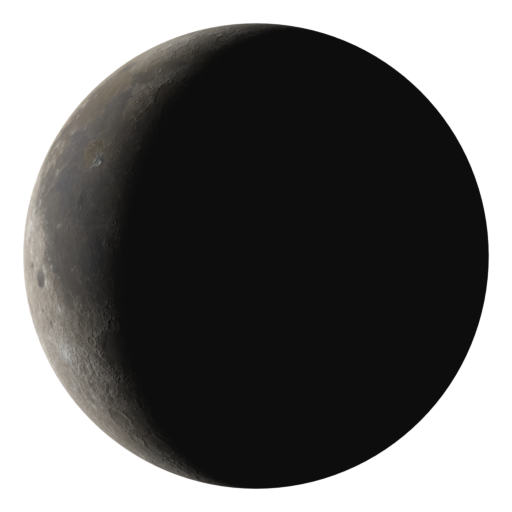
The Waning Crescent is the final whisper of moonlight before returning to darkness. The Moon becomes barely visible as the cycle prepares to begin again. This is the most inward, spiritual phase—a time of deep rest, vivid dreams, and connection to what cannot be seen. Like the quiet before dawn, energy dissolves into pure potential. This is not emptiness but sacred preparation, when you trust the process of natural renewal and rest into the rhythm of beginning again.
What to Focus On
Rest deeply and honor your need for sleep, engage in meditation and spiritual practices, pay attention to your dreams and intuition, connect with your inner wisdom, allow yourself to simply be without doing, prepare mentally and emotionally for the next cycle, trust the natural process of renewal
What to Avoid
Launching new projects or initiatives, forcing public activity or visibility, pushing yourself to produce when rest is needed, ignoring the call to turn inward
Emotional Themes
Deep peace, spiritual connection, trust in unseen forces, restful surrender, dream consciousness, return to source, quiet preparation, gentle dissolution, faith in renewal, meditative calm
What's Happening Astronomically
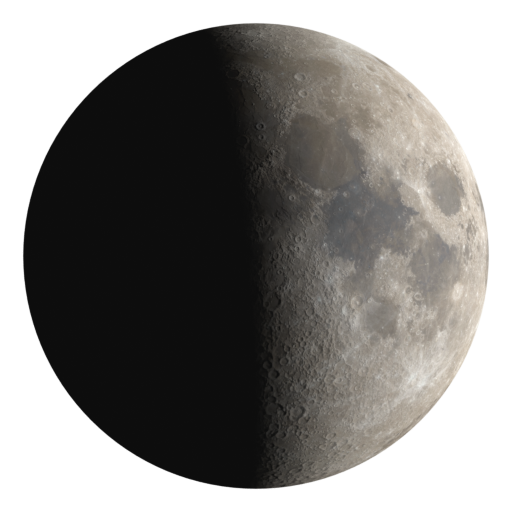
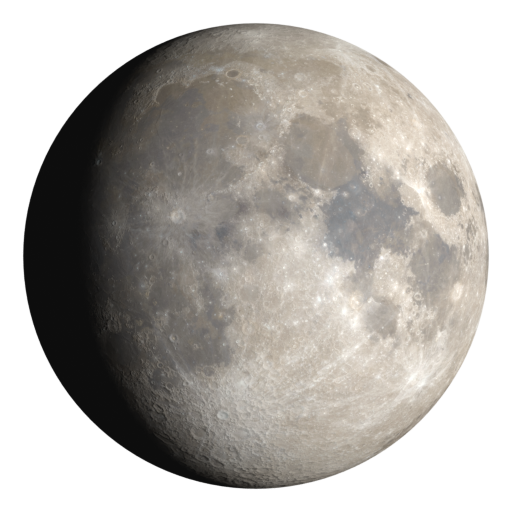
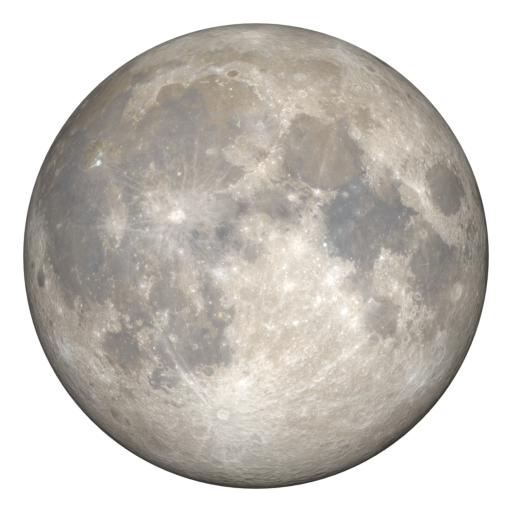
The Waning Crescent appears as a thin sliver of light on the Moon's western edge, visible only briefly before sunrise in the eastern sky. Astronomically, the Moon is positioned less than 45 degrees behind the Sun in its orbit, with only 10-15% of its face illuminated from Earth's perspective. This phase occurs in the final three to four days before the New Moon, when the Moon rises just an hour or two before dawn. The crescent shape appears because we're viewing the Moon from an angle where most of its illuminated hemisphere faces away from Earth, toward the Sun.
Cultural Traditions
In Islamic tradition, the Waning Crescent holds special significance as observers watch for its disappearance to mark the end of lunar months, particularly important during Ramadan. Ancient Egyptian priests tracked this phase carefully, associating it with the god Thoth and using it for rituals of wisdom and reflection. Hindu tradition considers this Krishnapaksha phase (dark fortnight) appropriate for ancestor veneration and spiritual practices focused on release. The Babylonians viewed the final crescent as a time when the moon god Sin retreated to the underworld, making it unsuitable for beginning new ventures but ideal for ending conflicts and seeking forgiveness.
Gardening & Farming Lore
The Waning Crescent is traditionally considered the least favorable time for any planting activity in lunar gardening systems. Biodynamic calendars mark this as a resting period for the garden, when the earth itself is thought to be in an inward, dormant state. This phase is reserved for final weeding, mulching, and soil preparation before the New Moon reset. Traditional farmers use these days for maintenance tasks like sharpening tools, mending fences, and planning rather than active cultivation.