Energy & Quality
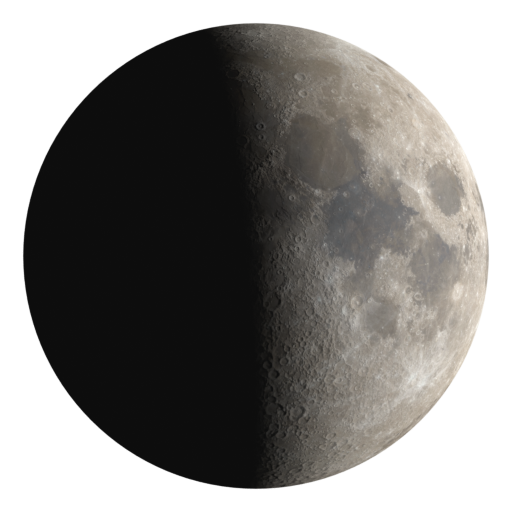
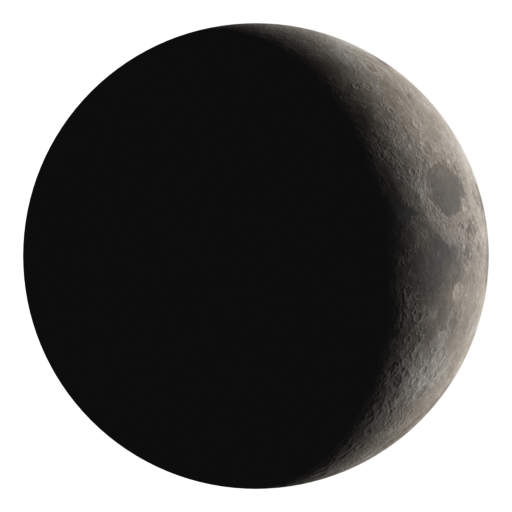
The Waxing Crescent brings the first sliver of moonlight after the dark New Moon. Like a tender shoot breaking through soil, this phase carries the energy of early growth and fragile promise. Your intentions begin to take visible form, though they remain delicate and need gentle care. This is the time when dreams start becoming actions, when possibility transforms into the first steps forward. Energy moves with hope and gentle momentum.
What to Focus On
Take small, confident steps toward your New Moon intentions, nurture your emerging projects with patience, gather the resources you need for growth, trust the unfolding process, celebrate tiny progress, protect fragile beginnings from harsh judgment
What to Avoid
Demanding immediate results, pushing yourself beyond sustainable pace, making rigid commitments before you have enough information, criticizing yourself for not being further along
Emotional Themes
Gentle excitement, protective care for new beginnings, patience with process, trust in gradual growth, vulnerability balanced with hope, tender optimism, quiet confidence
Atmosphere
A Waxing Crescent evening feels best when it stays light and a little unfinished. Put on one lamp, open the notebook, text the person you actually mean to text, and make the smallest version of the plan real tonight. Start the playlist, buy the domain, sketch the outline, soak the beans, lay out tomorrow's clothes. This phase likes proof of movement more than big declarations. Let the mood be hopeful, tidy enough, and pointed toward what comes next.
What's Happening Astronomically
The Waxing Crescent appears when the Moon has moved roughly 45 degrees east of the Sun, revealing a thin illuminated sliver on its right side (in the Northern Hemisphere). Visible low in the western sky just after sunset, this phase shows approximately 1-49% illumination as sunlight begins catching the Moon's eastern edge. The Moon sets a few hours after the Sun during this phase, creating that magical twilight window when you can spot the delicate crescent alongside the faint glow of earthshine—sunlight reflected off Earth illuminating the Moon's dark portion.
Cultural Traditions
Islamic tradition celebrates the sighting of the Waxing Crescent to mark the end of Ramadan and beginning of Eid al-Fitr, with communities gathering at sunset to witness the hilal. Ancient Mesopotamian astronomers meticulously recorded first crescent sightings to regulate their calendar. In Japanese culture, the narrow crescent called Mikazuki has inspired poetry and art for centuries, symbolizing elegance and renewal. Celtic peoples associated this phase with the maiden aspect of the triple goddess, representing youth and new beginnings. Turkish and Persian traditions consider glimpsing the new crescent auspicious for starting journeys or business ventures.
Gardening & Farming Lore
Lunar gardening wisdom recommends planting annual flowers and above-ground crops that produce seeds outside their fruit during the Waxing Crescent. This includes lettuce, spinach, celery, broccoli, and cabbage—leafy vegetables that thrive with increasing moonlight. The rising lunar energy is believed to draw moisture upward, promoting strong leaf development. Traditional farmers also graft fruit trees and transplant seedlings during this phase, trusting the building light to encourage vigorous growth.