Energy & Quality
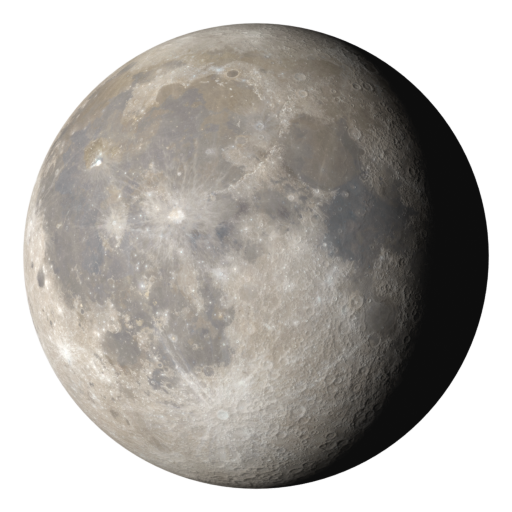
The Waning Gibbous follows the Full Moon as light begins to diminish, though the Moon remains luminous and strong. This is the phase of gratitude and generous sharing, when you appreciate what has come to completion and offer wisdom to others. The intensity of the Full Moon softens into reflection and satisfaction. Like the feeling after a great feast, energy turns toward savoring what was and sharing abundance. Power remains present but moves inward toward contemplation.
What to Focus On
Express gratitude for what has manifested, share your knowledge and abundance with others, reflect on lessons learned during this cycle, celebrate completion with appreciation, journal insights gained, help others with your experience, acknowledge your growth
What to Avoid
Continuing to push for external expansion, ignoring the natural shift toward reflection, forcing new beginnings before honoring completion, rushing past the satisfaction phase
Emotional Themes
Deep gratitude, satisfaction with achievement, wisdom arising, joy in sharing, reflective appreciation, generous spirit, peaceful fullness, insights emerging, contented awareness
What's Happening Astronomically
The Waning Gibbous phase begins immediately after full moon as the terminator line—the shadow boundary—begins advancing eastward across the lunar surface. The Moon remains more than 50% illuminated, gradually decreasing from 99% to 50% over approximately one week. During this phase, the Moon rises later each evening, typically appearing in the eastern sky an hour after sunset, and remains visible until mid-morning. The geometry shifts as the Moon continues its orbit, with the angle between Sun, Earth, and Moon gradually increasing past 180 degrees. The illuminated portion appears on the left side for Northern Hemisphere observers, opposite the waxing phases.
Cultural Traditions
Many indigenous cultures worldwide recognized the Waning Gibbous as a time for community sharing and storytelling. The Māori of New Zealand traditionally held hui—communal gatherings—during this phase to distribute harvested resources and share knowledge with neighboring iwi. In traditional Tibetan Buddhism, this phase is associated with teaching and transmitting wisdom, when monasteries historically opened to receive students. West African Yoruba tradition connected this moon to Ọya, the orisha of transformation, marking time for communal ceremonies of gratitude. European folk traditions designated this phase for preserving harvests through drying, smoking, and fermentation, taking advantage of the still-bright moonlight for extended evening work.
Gardening & Farming Lore
Traditional lunar gardening wisdom designates the Waning Gibbous for planting root crops, bulbs, and perennials, as decreasing light encourages downward energy and root development. This phase is considered optimal for taking cuttings and dividing perennials, with reduced sap flow minimizing transplant shock. Biodynamic calendars recommend harvesting crops intended for storage during this phase, as lower moisture content improves keeping quality. Traditional practice suggests applying mulch and compost now, allowing materials to decompose as the moon wanes toward darkness.